why do I scratch? the psychology of eczema itch
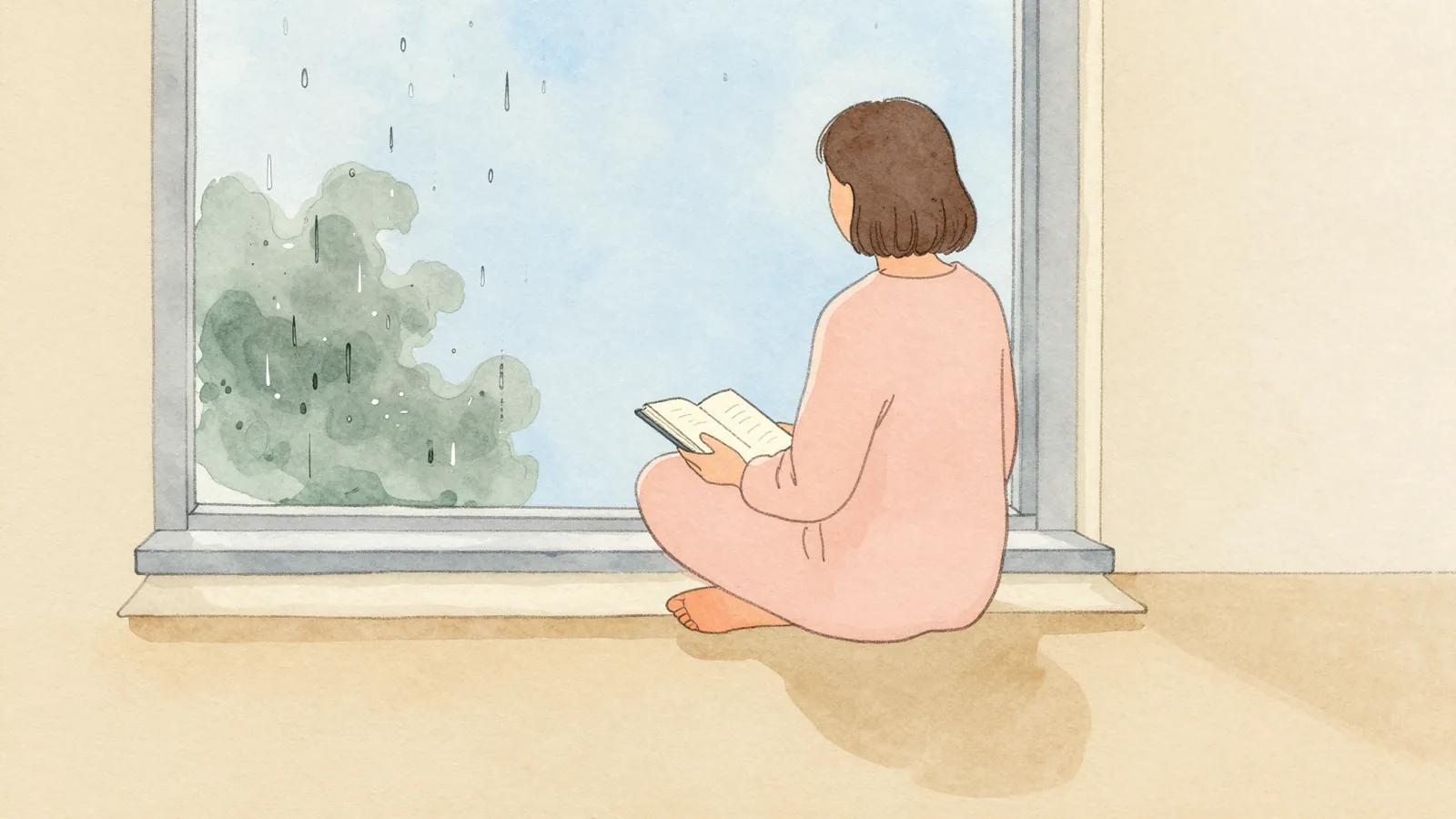
Not all scratching is the same kind of scratching, and that distinction matters more than it sounds like it should.
Two different kinds of itch
Broadly, itch in eczema falls into two categories:
Genuine itch - the physiological kind, driven directly by skin irritation and inflammation. This is the itch a flare produces.
Soothing itch - a habitual, psychological pattern where scratching happens as a self-soothing response, sometimes independent of whether there's currently much to itch at all.
The second category explains something that confuses a lot of people: why scratching can happen even during calm periods, or specifically during moments of stress rather than in response to a flare. Ayr's peer support sessions consistently found this distinction clarifying once it was explained - people recognised the pattern in themselves immediately, even if they'd never had language for it before.
Once someone explained the difference, it clicked. I wasn't scratching because my arm itched. I was scratching because I'd just walked in the door from a stressful day and my body wanted to decompress.
Why stress and scratching are so closely linked
Stress and itch are connected through the body's stress response, which is well established as a genuine trigger for skin symptoms generally, not unique to eczema. On top of the physiological trigger, scratching itself can become a rewarding, self-soothing behaviour in its own right - similar in principle to other repetitive soothing habits people develop under stress. That's part of why scratching can become habitual even outside of active flares: it isn't only a response to irritation, it can also become the body's default way of processing tension.
A pattern several ayr members reported directly: a distinct wave of scratching specifically when getting home from work or a stressful day, often while changing clothes - described as the body's way of "decompressing" after holding it together in public all day.
Behavioural approaches worth knowing about
Habit reversal therapy is a recognised behavioural technique for habitual, soothing-type scratching (as distinct from treating the underlying skin condition itself). It typically works by substituting an alternative physical action - for example, using a wrist elastic band, clenching a fist, or another small physical habit - at the moment the urge to scratch arises, gradually retraining the automatic response.
Results in ayr's own group were genuinely mixed: some found a structured substitute helpful, others found the benefit didn't hold up without ongoing support, and simple distraction (keeping hands occupied with an activity, rather than a specific substitute action) was reported as more consistently useful across the group than habit reversal alone. For the fuller list of tactics people actually use, see itch-relief strategies people with eczema actually use.
What this distinction actually changes
Knowing which kind of itch you're dealing with changes what's worth trying. If it's genuine, inflammation-driven itch, the priority is proper flare management - moisturising, treatment as prescribed, and addressing the skin directly. If it's soothing-pattern scratching, the more useful lever is often behavioural: distraction, movement, or a substitute habit, rather than more cream.
In practice, most people deal with a mix of both, and telling them apart in the moment takes some honest self-observation - noticing whether the scratching followed an actual itch, or followed a stressful moment with no clear physical trigger. A closely related, less-discussed habit worth knowing about is covered in skin picking and eczema: the habit no one talks about, and if nighttime scratching specifically is disrupting your sleep, see what no one tells you about eczema and sleep.
This article reflects the shared, anonymised experience of members of the ayr Eczema Circle peer support group - it's peer perspective, not medical advice. If scratching is causing skin damage or infection, or feels compulsive and hard to control, it's worth discussing with your GP or dermatologist, who can also refer you for psychological support such as habit reversal therapy if appropriate.
References
NHS, "Atopic eczema," 2024 - https://www.nhs.uk/conditions/atopic-eczema/
National Eczema Society (Eczema UK), patient resources on the itch-scratch cycle - https://eczema.org/
Related reading
Itch-relief strategies people with eczema actually use
Skin picking and eczema: the habit no one talks about
What no one tells you about eczema and sleep
Everything on this page is shared experience from our peer community, not medical advice. For clinical questions, please speak to your GP, dermatologist or NHS 111.