living with eczema: the invisible mental load nobody sees
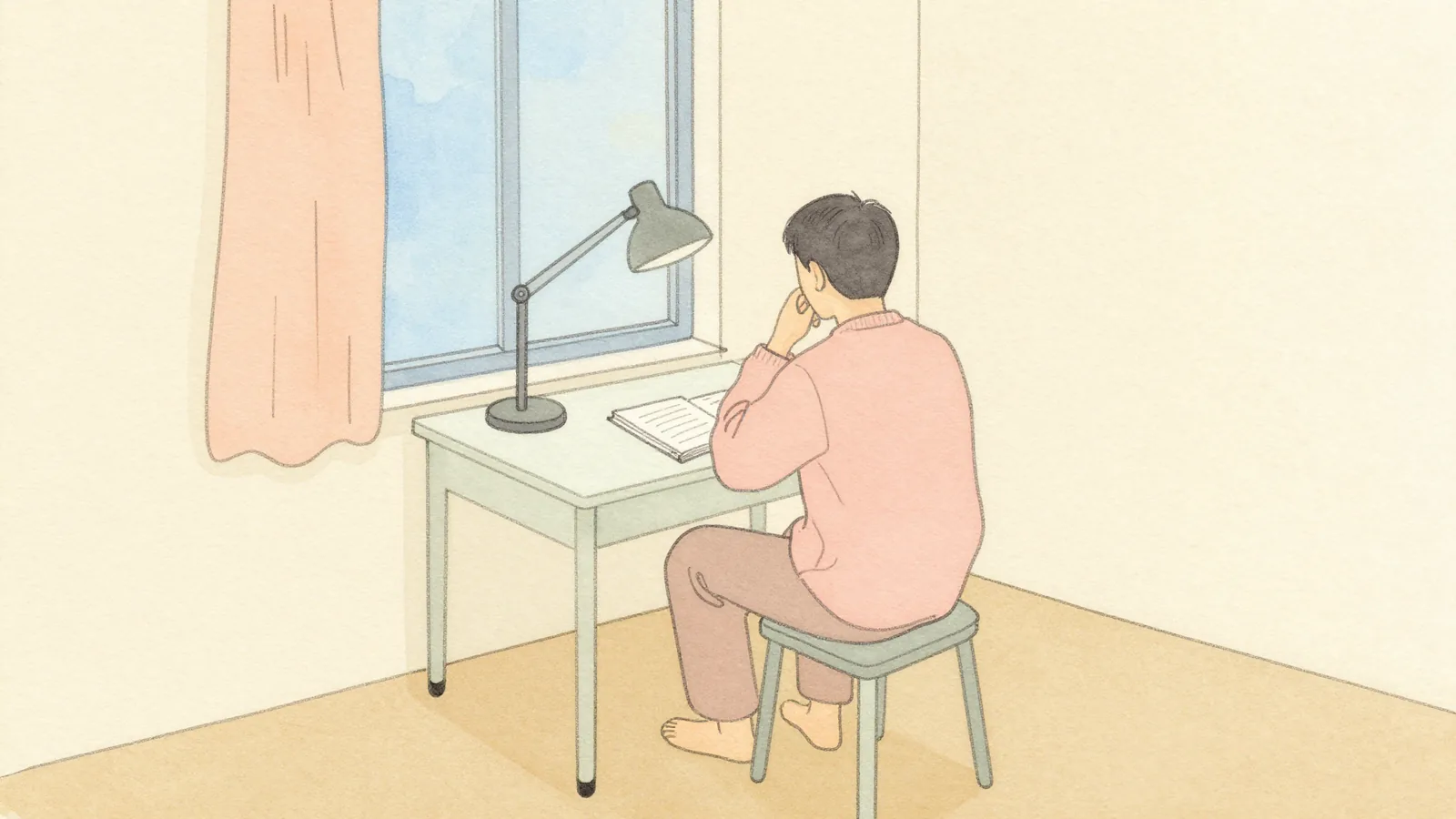
Living With Eczema: The Invisible Mental Load Nobody Sees
On a good day, someone with eczema can look completely fine. That's exactly the problem.
Eczema is often judged by how visible it is: red patches, dry skin, a flare someone can see. But most of the actual work of managing eczema happens whether or not anything is visible - and that work is where the real burden sits.
The work that happens even on a "good skin" day
Managing eczema well is a constant, low-grade set of decisions: what fabric a piece of clothing is before it's bought or worn, whether a room will be too hot or too dry, when the next moisturising window needs to happen, whether tonight's shower will trigger discomfort. None of this shows up in a photo. All of it has to be tracked, all the time, by one person.
This is a pattern ayr's peer support members describe consistently: even when their skin looks calm, they're still doing the maintenance - moisturising on schedule, choosing specific fabrics, managing general aches and discomfort - because skipping it is what causes the next flare. The workload doesn't pause just because the symptoms currently aren't visible.
"People assume that if my skin looks okay today, today was easy. Today was easy because of everything I did yesterday, and everything I'll do again tonight."
Why this is harder to explain than physical symptoms
Physical symptoms are relatively easy to describe: it itches, it's sore, it's dry. The mental load is harder to put into words, because it's made up of dozens of small, individually forgettable decisions rather than one clear complaint. That's part of why it goes unrecognised - there's no single moment to point to, which is also why explaining eczema to people who don't have it so often falls flat when it focuses only on the visible symptoms.
Ayr's peer sessions have consistently surfaced a related, and perhaps more surprising, finding: many people with eczema report less day-to-day worry about how their skin looks to others than you'd expect. Their deeper frustration is usually about wanting others to understand the intentionality behind every decision - the planning, not the visibility.
Where the load actually shows up
Routine and timing. Moisturising isn't a single task, it's a recurring one, often multiple times a day, that has to be built around whatever else is happening.
Clothing. Fabric choice becomes a genuine constraint rather than a style preference - some people end up wearing the same few tolerated items repeatedly, or regifting clothes that turn out to cause irritation.
Environment. Room temperature, air conditioning, bedding, and even seating (some fabrics are simply harder to sit on for a full day) all have to be factored in without necessarily being able to control them - this is exactly the kind of factor that makes eczema at work its own particular challenge.
Social calculus. Deciding, each time, whether and how much to explain to a new person, in a new setting, adds a layer most people never have to think about at all.
Home environments. For some, even family settings can add stress rather than relieve it - certain households carry an added layer of scrutiny or perceived judgement that makes managing eczema there harder, not easier.
Why this matters beyond feeling unseen
This isn't just an emotional nicety - the burden is linked to real mental health outcomes, not just occasional low mood. A 2019 meta-analysis in JAMA Dermatology, pooling data from over 300,000 adults with atopic dermatitis against more than 4 million controls, found 44% higher odds of suicidal ideation among adults with the condition compared with those without it.¹ That figure is specifically about suicidal ideation, not about dying by suicide - the same research found the evidence for a link to completed suicide was inconsistent - but it's a serious enough signal on its own that eczema's mental health impact, including depression and anxiety, deserves to be taken as seriously as its physical symptoms.
Sleep is one of the clearest places this shows up. A US cross-sectional study of 287 adults with atopic dermatitis found that 79% reported at least one night of sleep disturbance in the past week because of their eczema³ - which lines up closely with what ayr's own peer sessions have reported, session after session, as one of the heaviest and most consistent parts of the invisible load.
What actually helps
Reframing the maintenance itself as self-care, rather than an obligation imposed by the condition, was something ayr's group found genuinely useful, even while acknowledging it's easier said than done - most people still have days where they "rebel" against their own routine. Having one person who understands the invisible side, not just the visible one, matters more than any specific coping technique. And simply being told "I get that this takes more effort than it looks like" tends to land better than any offered fix.
If the mental load is starting to affect your mood, sleep, or day-to-day functioning, that's worth raising with a GP - not because you're managing it badly, but because the toll is real and support exists beyond what any routine change can fix.
This article reflects the shared, anonymised experience of members of the ayr Eczema Circle peer support group - it's peer perspective, not medical advice. If eczema is affecting your mental health, please speak to your GP, who can also refer you for further psychological support if needed.
References
1. Sandhu JK, Wu KK, Bui TL, Armstrong AW, "Association Between Atopic Dermatitis and Suicidality: A Systematic Review and Meta-analysis," JAMA Dermatology, 2019;155(2):178-187 - https://jamanetwork.com/journals/jamadermatology/fullarticle/2718899
2. National Eczema Society (Eczema UK), patient resources on eczema and mental health - https://eczema.org/
3. Li JC, Fishbein A, Singam V, et al., "Sleep disturbance and sleep-related impairment in adults with atopic dermatitis: A cross-sectional survey-based study," Dermatitis, 2018;29(5):270-277 - https://pmc.ncbi.nlm.nih.gov/articles/PMC6169311/
Related reading
Everything on this page is shared experience from our peer community, not medical advice. For clinical questions, please speak to your GP, dermatologist or NHS 111.